Gas Line Repair & Inspection in Briarwood, Queens
Licensed gas piping diagnostics, pressure testing, appliance hookups, and NYC Local Law 152 compliance inspections for residential and multi-unit buildings.
Call (315) 202-8009 to Discuss Gas ServiceCRITICAL SAFETY INSTRUCTION: Suspected Gas Leak Protocol
If you smell natural gas (a pungent rotten-egg odor), hear a hissing noise near gas lines, or suspect a gas leak:
- Evacuate Immediately: Leave the building at once. Do not hesitate or attempt to investigate the source.
- Do Not Touch Electrical Switches: Do not turn lights on or off, do not unplug appliances, do not ring doorbells, and do not use a cell phone inside the building. Any spark can ignite accumulated gas.
- Call From a Safe Distance: Once you are safely away from the property, call 911 and the gas utility (National Grid) immediately.
- Never Attempt DIY Gas Repairs: Never attempt to test, disassemble, or repair gas piping yourself. Work on gas piping systems must be conducted exclusively by licensed professionals under strict safety codes.
Licensed Gas Piping Solutions for Briarwood Properties
Natural gas powers the stoves, boilers, and water heaters that sustain Briarwood homes. Because gas distribution carries inherent combustion risks, maintaining absolute piping integrity is mandatory under New York City law. At NY Plumbing, our licensed technicians provide comprehensive gas line repair Briarwood Queens, handling everything from appliance gas hookups to complex multi-unit riser restorations.
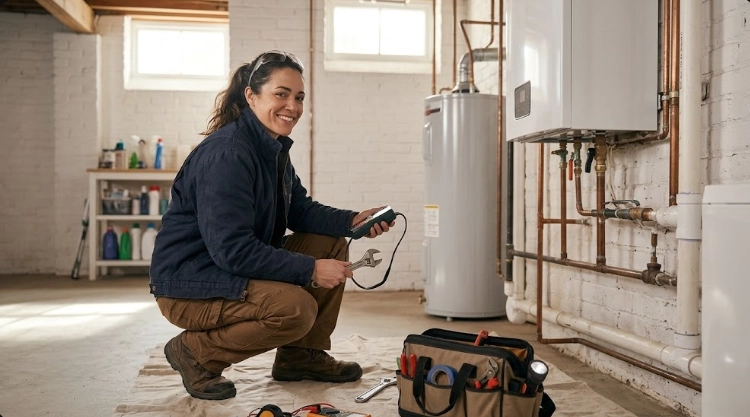
Throughout Briarwood, residential properties span post-war multi-family co-ops along 84th Drive, brick garden complexes near Main Street, and private residences bordered by Queens Boulevard. Many buildings feature black iron gas piping routed through basements and utility rooms that have been exposed to humidity and atmospheric corrosion for decades.
While our core discipline is non-invasive water leak detection in Briarwood, our mechanical team possesses the specialized licensing, combustible gas detectors, and calibrated pressure gauges necessary to ensure gas piping meets rigorous NYC Fuel Gas Code standards.
Gas Piping Services We Provide in Briarwood
From residential appliance upgrades to commercial compliance testing, our technicians execute meticulous gas plumbing work:
Appliance Line Connections
We provide safe, certified gas line installation for stove Briarwood Queens. We install approved quarter-turn shutoff valves, rigid black iron risers, and flexible stainless steel connectors for kitchen stoves, cooktops, and dryers.
Pressure Decay Testing
When the utility locks a gas meter due to a pressure drop, we isolate piping runs, cap appliance drops, and pressurize the system with nitrogen to locate joint leaks and certify line tightness.
Riser & Branch Replacement
Severely corroded black iron gas lines passing through damp basements or masonry foundation walls are replaced with heavy-duty schedule 40 threaded steel pipe and malleable iron fittings.
Local Law 152 Periodic Gas Piping Inspections
We perform thorough gas piping inspection Briarwood Queens in full accordance with NYC Local Law 152. This municipal ordinance mandates periodic safety inspections of exposed gas lines in all buildings classified under occupancy group R (except certain two-family private homes) every four years. Our qualified inspectors check public spaces, hallways, boiler rooms, and mechanical areas for gas leaks, illegal connections, and physical pipe corrosion.
How a Professional Gas Piping Service Proceeds
Safety and regulatory precision govern every phase of gas piping repair and testing:
- Combustible Gas Sniffing: We deploy calibrated handheld combustible gas detectors sensitive to parts-per-million methane concentrations to locate joint leaks along exposed pipe runs.
- System Isolation & Lockout: The main gas supply is securely locked out, and all downstream appliances are disconnected to prevent internal valve damage during high-pressure testing.
- Hydrostatic or Pneumatic Pressure Test: We pump test gas lines to the pressure required by NYC Department of Buildings (typically 3 to 15 PSI depending on pipe classification) and verify zero pressure decay over the mandated test duration.
- Code-Compliant Repair: Failed threaded joints, corroded nipples, or seized valves are replaced using high-grade black iron and gas-rated thread sealants.
- Utility Coordination & Sign-Off: When required for meter unlocking, we coordinate inspection filings and DOB paperwork to restore service smoothly.
Need Gas Line Service or a Local Law 152 Inspection?
Consult directly with our licensed Queens gas piping specialists to ensure safety and full municipal code compliance.
Call (315) 202-8009 to Discuss ServiceConnecting Gas Infrastructure with Heating & Hot Water Equipment
Gas distribution lines directly supply the central heating plant in your building. When servicing gas lines, our technicians verify fuel delivery pressure to essential appliances:
If your heating equipment experiences fuel delivery issues or burner lockouts, visit our specialized Boiler Repair services in Briarwood. For gas-fired domestic hot water storage tanks and burner pilots, review our dedicated Water Heater Repair solutions.
Frequently Asked Questions About Gas Line Repair & Inspection
What should I do immediately if I smell natural gas in my building?
If you smell natural gas (a distinctive rotten-egg odor) or suspect a gas leak, immediately vacate the premises. Do not turn light switches on or off, do not operate electrical appliances, and do not use a cell phone inside the building. Once safely outside at a distance, call 911 and the local gas utility (National Grid) immediately.
What is NYC Local Law 152 and does it apply to every building?
New York City Local Law 152 of 2016 mandates periodic inspections of exposed gas piping systems in all buildings classified under occupancy group R (except for R-3 two-family private homes that meet specific criteria) once every four years, based on community district schedules. The inspection must be conducted by or under the direct supervision of a Licensed Master Plumber.
Why is a licensed plumber required to hook up a new gas stove or dryer?
New York City Fuel Gas Code mandates that all gas appliance connections, shut-off valve replacements, and gas piping modifications must be completed by a licensed plumbing professional. Improper thread sealant, substandard flex lines, or unverified gas pressure can lead to dangerous gas accumulation.
How is a gas line pressure decay test performed?
A pressure decay test involves shutting off the gas supply at the meter, disconnecting sensitive appliances, and pressurizing the piping system with air or nitrogen using a precision mercury or digital diaphragm gauge. The pressure is monitored over a specified duration mandated by NYC DOB to verify that zero leakage occurs across all joints.
Schedule Gas Line Repair in Briarwood Today
Serving Briarwood, Jamaica Hills, Kew Gardens, and neighboring Queens areas with licensed, code-compliant gas piping services.
Call (315) 202-8009